
Self-consumption optimization is a central aspect for companies that use renewable energies such as photovoltaics (PV) or wind energy. The goal is to consume the self-generated electricity as efficiently as possible, thereby reducing the proportion of grid power consumption. Through measures such as the use of battery storage solutions and intelligent controls, the use of own electricity is optimized, which not only offers economic advantages, but also promotes energy independence and sustainability in operation.
Table of contents
ToggleFunctionality of self-consumption optimization
Self-consumption optimization is based on using as much of the self-generated electricity from renewable energy sources as possible directly in the company. If the own PV or wind power plant generates more electricity than is currently needed, the surplus is either fed into the power grid or temporarily stored in a battery storage. This storage then provides the electricity at a later time when the own demand is higher than the electricity generation.
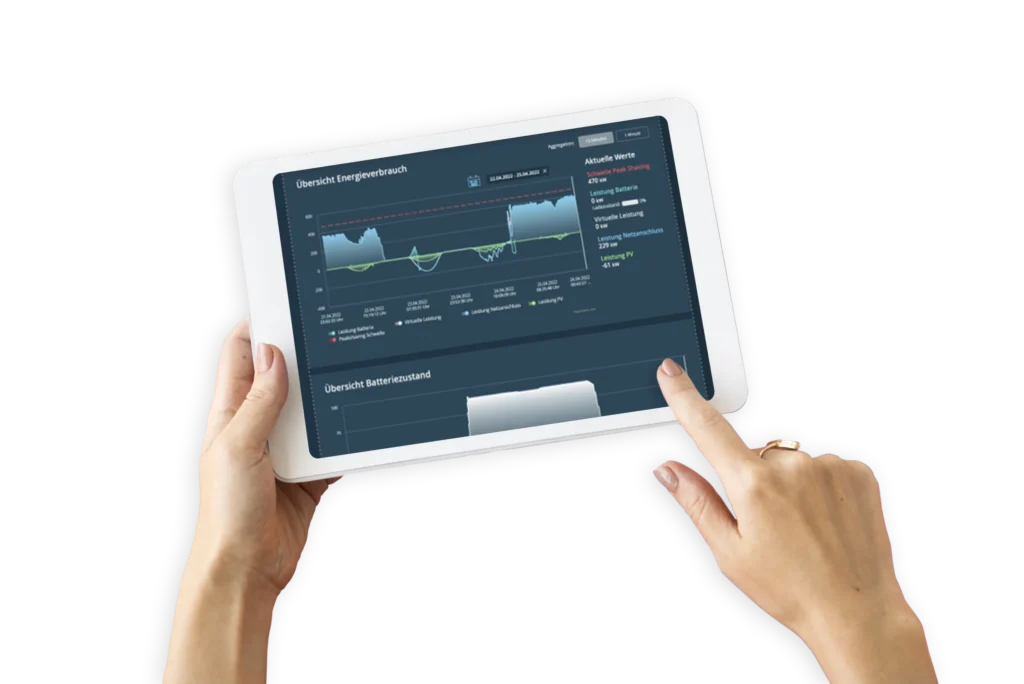
Through smart control and load management systems, power consumption can be reduced during peak load times and shifted to times when on-site power generation is high. This not only minimizes feed-in but also reduces the need to purchase expensive electricity from the grid.
Advantages of self-consumption optimization
Companies that rely on self-consumption optimization benefit in many ways:
- Cost efficiency: Obtaining electricity from the grid is usually significantly more expensive than using self-generated electricity. Those who use more of their own electricity save energy costs and become more independent of rising electricity prices.
- Grid relief: By optimizing self-consumption, the local power grid can be relieved, as less electricity is fed in and less is drawn during times of grid peaks.
- Sustainability: Self-consumption optimization promotes the use of renewable energies and reduces the company’s CO₂ emissions. Energy efficiency increases, which also has positive effects on the environmental image.
- Independence: An optimized system for self-consumption optimization reduces the dependence on electricity suppliers and electricity price developments.
Technologies for self-consumption optimization
Various technologies support companies in maximizing self-consumption:
- Battery storage: These make it possible to store excess electricity and use it later. They are a central component of self-consumption optimization, as they increase flexibility in electricity consumption.
- Load management systems: These systems help to control electricity consumption in a targeted manner by shifting large consumers to times when a lot of own electricity is available.
- Smart control units: Through the use of intelligent technology, electricity management in the company can be automated to optimize both self-consumption and grid independence.
Challenges in self-consumption optimization
Despite the many advantages, companies also face some challenges:
- Initial investments: The purchase of battery storage, load management systems and intelligent control is associated with high investments. These often pay for themselves through savings, but only after a few years.
- Adaptation to fluctuating generation: Renewable energies such as wind or solar power are subject to natural fluctuations, which makes the planning of electricity use more difficult. Effective load management is therefore essential.
- Regulatory requirements: There are regulations that affect the feed-in and self-consumption of electricity. Companies must inform themselves well here in order to avoid potential legal hurdles.
Practical examples and applications
An example of successful self-consumption optimization is the use of battery storage in combination with solar energy in manufacturing companies. Here, excess solar power is stored during the sunny midday hours and used in the evening or at night for production processes. This not only reduces grid power consumption, but also leads to a significant reduction in operating costs.
Summary of self-consumption optimization
Self-consumption optimization is an effective method for companies to reduce their electricity costs and at the same time improve their sustainability. Through the targeted use of battery storage and intelligent control systems, companies can maximize the self-consumption of their self-generated electricity and become more independent of rising electricity prices. Especially in the context of the energy transition and rising electricity costs, self-consumption optimization offers long-term economic and ecological advantages.
Note: Please note that the Wiki entry on self-consumption optimization is for information purposes only and does not replace legal advice. be.storaged GmbH assumes no guarantee for the completeness, accuracy and timeliness of the information in this entry.