
Balancing power is a crucial component of the electric grid that serves to offset short-term fluctuations in electricity consumption and generation. Whenever electricity demand rises or falls, or unexpected events occur, balancing power is used to maintain grid stability.
Table of contents
ToggleReal-time adjustment instead of scheduled adjustment
Balancing power is a dynamic tool used to offset unexpected fluctuations in the power grid and maintain a stable grid frequency. Unlike planned changes in power generation or consumption, balancing energy is provided in real time to maintain the balance between supply and demand.
Three levels: primary, secondary, and tertiary balancing power
Primary control power responds most quickly to changes in the power grid and compensates for short-term frequency deviations; it is typically provided by fast, flexible power plants. Secondary control power has a slightly longer response time and ensures that the grid frequency remains within a narrow tolerance range. Tertiary control power (minute reserve) has the longest response time and compensates for long-term imbalances.
Transmission System Operators, Suppliers, and Retailers Working Together
Transmission system operators (TSOs) are responsible for the planning, operation, and safety of the power grid and coordinate the use of balancing energy. Balancing energy providers supply balancing energy by flexibly controlling their generation facilities or consumption equipment. Balancing energy traders trade in balancing energy and organize auctions and contracts. Consumers with flexible loads can also contribute to grid stabilization.
Grid Stability, Efficiency, and the Integration of Renewable Energy
Balancing power contributes to grid stability by smoothing out short-term fluctuations and stabilizing the grid frequency. It minimizes transmission losses, enables grid operators to respond flexibly to changes, and plays an important role in the integration of renewable energy by balancing out its fluctuations.
Market Complexity and Expansion of Network Infrastructure
These challenges include the complexity of balancing power markets, the integration of large amounts of renewable energy, and the need for improved grid infrastructure. These challenges can be successfully addressed through the development of innovative technologies and business models.
Conclusion: Essential for grid stability and balance
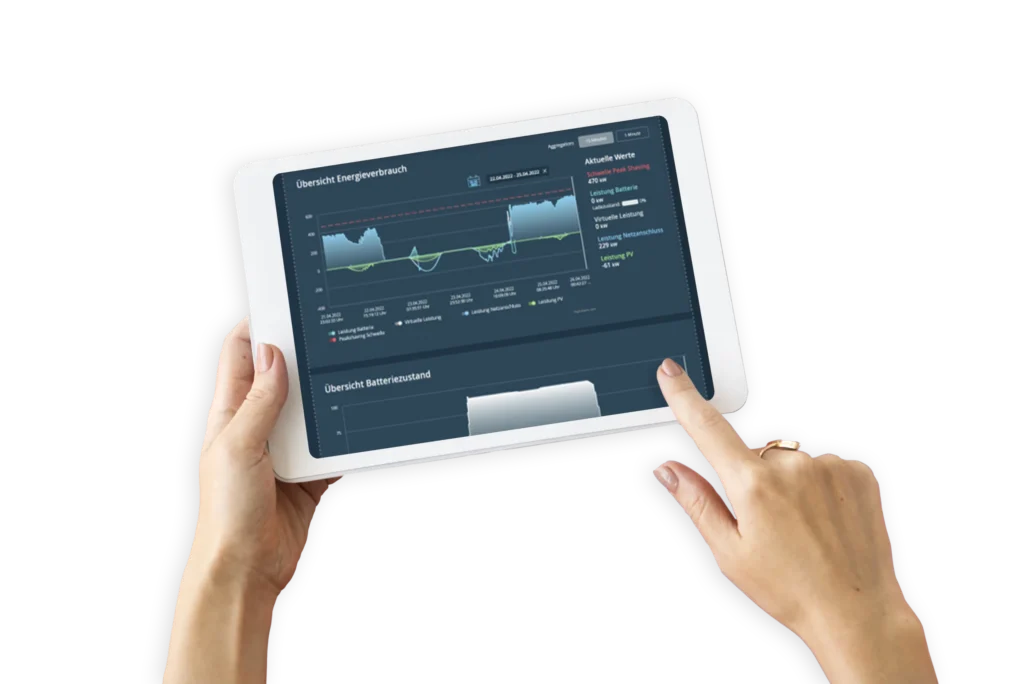
Balancing energy is essential for grid stability and maintaining the balance between electricity supply and demand. Key players include transmission system operators, balancing energy providers and marketers, and consumers. Energy Management and battery storage solutions play a crucial role in supporting balancing energy by improving the alignment of consumption and generation and storing excess energy.
Frequently Asked Questions (FAQ)
What is balancing power?
Balancing power compensates for short-term fluctuations between electricity generation and consumption and keeps the grid frequency stable at 50 hertz.
Three levels: primary, secondary, and tertiary balancing power
Primary control energy (seconds), secondary control energy (minutes), and tertiary control power/minute reserve (15 minutes or more), categorized by response time.
Who provides balancing energy?
Power plants, battery storage systems, and, increasingly, flexible consumers, coordinated by the transmission system operators.