
The Control Area Market for Imbalances (RAM) is a significant component of the German energy market, introduced in November 2020. In contrast to the traditional control reserve market (RLM), the RAM enables trading in control area imbalances, thus influencing the actual use of the reserve power. The introduction of the RAM took place as part of the harmonization of European control energy markets in accordance with the requirements of the Electricity Balancing Guideline (GL EB).
Table of contents
ToggleFunctioning of the Control Area Market for Imbalances (RAM)
The RAM allows providers to submit working bids directly, regardless of whether they were previously successful in the capacity market. The auctioning and awarding of contracts are carried out according to the pay-as-bid procedure. Various control energy products can be traded, including secondary reserve (SRL)/automatic Frequency Restoration Reserves (aFRR) and minute reserve (MRL)/manual Frequency Restoration Reserves (mFRR).
An interesting aspect of RAM is its connection to flexibility marketing. By enabling a quick response to market needs and the alternative marketing of unawarded bids, RAM opens up attractive market opportunities for flexibility providers such as operators of storage capacities and renewable energies. This not only promotes the integration of renewable energies but also contributes to the stabilization of grid operation.
Players in the RAM and their management
All providers of control reserve who have successfully completed the prequalification process can participate. The organization and implementation of the RAM is the responsibility of the German transmission system operators (TSOs). They manage the tenders and allocations of the control reserve products via their internet platform.
Regulations and rules in the RAM
The RAM is subject to its own rules and regulations, including auction times, price caps and conditions of participation. These regulations differ from those of the RLM and contribute to the efficient functioning of the market.
Advantages of the RAM
The introduction of the RAM offers flexible providers of control energy attractive market opportunities and particularly promotes operators of storage capacities and renewable energies. The short-term modifiability of the offered control area imbalance products enables providers to respond to various market mechanisms and to market unawarded bids elsewhere.
Failure of the RAM and backup solutions
In the event of a RAM failure, the RLM is available as a backup. Providers are obliged to keep their offered quantity available in order to provide the control area imbalance via the capacity market. Remuneration is then provided by so-called replacement imbalance prices (EAP).
Summary
The RAM plays a decisive role in the efficient use of control energy on the German energy market and offers diverse market opportunities for flexible and environmentally friendly energy producers.
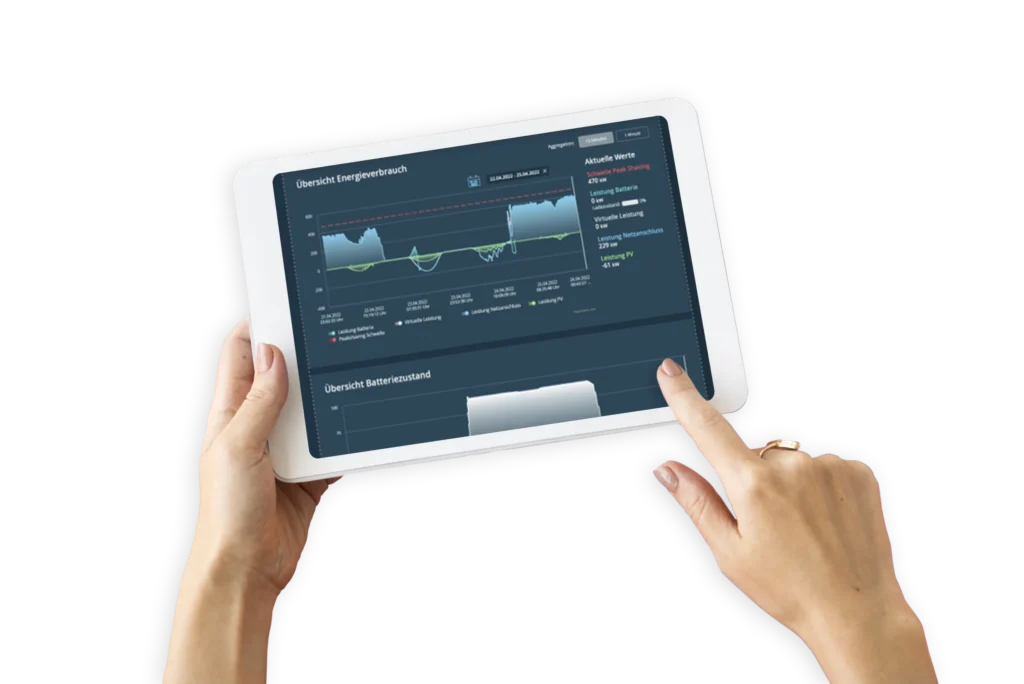
For effective use of the Control Area Market for Imbalances (RAM), integration with intelligent energy management systems is recommended. These enable seamless control and monitoring of control energy flows and maximize the benefits of the RAM for companies. By linking the RAM with intelligent energy management systems, companies can increase their flexibility and benefit from the dynamic market conditions.
Another important aspect is the integration of battery storage solutions into the energy management system. Battery storage plays a crucial role in stabilizing grid operation and maximizing the utilization of renewable energy sources. Through their flexibility, they can help balance fluctuations in the energy market and increase the efficiency of RAM.
Note: Please note that the wiki entry Control Area Market for Imbalances (RAM) is for information purposes only and does not replace legal advice. be.storaged GmbH assumes no guarantee for the completeness, accuracy and timeliness of the information in this entry.