
Atypical grid usage refers to the reduction of electricity consumption during peak load times. This form of grid usage is often associated with specific requirements, risks, and opportunities, especially for companies operating in sectors with irregular energy consumption or special operating configurations.
Table of contents
ToggleDefinition of atypical grid usage
Atypische Netznutzung liegt vor, wenn der Stromverbrauch eines Unternehmens oder einer Abnahmestelle signifikant von den üblichen Verbrauchsmustern abweicht. Unternehmen können durch eine bewusste Anpassung ihrer Lasten und die Nutzung flexibler Verbraucher Vorteile aus dieser Form der Netznutzung ziehen. Netzbetreiber definieren Hochlastzeitfenster, in denen die Netzauslastung besonders hoch ist. Insbesondere die atypische Netznutzung ermöglicht es Unternehmen, ihre Stromabnahme außerhalb dieser Spitzenlastzeiten zu verschieben, um von reduzierten Netzentgelten zu profitieren. Der Einsatz eines Batteriespeichers und Energiemanagementsystems kann dabei sinnvoll sein, um Lastspitzen innerhalb der Hochlastzeitfenster zu vermeiden, ohne den Stromverbrauch zu reduzieren.
Causes of atypical grid usage
The causes of atypical grid usage can be varied:
- Seasonal fluctuations: In winter, the grid load is increased due to higher electricity consumption and lower PV feed-in.
- Technological changes: The use of new technologies can change the flexibility of electricity procurement and enable new applications.
- Production shifts: Shifting production on weekends or at night can lead to atypical grid usage without energy management control.
Characteristics and examples
- Shift outside the peak load windows: Shifting the load outside the peak load windows defined by the grid operators leads to atypical grid usage.
- Measurability: The electricity consumption of companies is measured in a 15-minute interval using an RLM meter or intelligent measuring system.
- Example: An industrial company that reduces its peak loads during peak load times by at least 20% can benefit from reduced grid fees and thus lower its costs.
Consequences of atypical grid usage
- Grid relief: Atypical grid usage can lead to grid relief, especially during peak load times.
- Grid fees: The application of atypical grid usage leads to significantly lower grid fees.
- System efficiency: The efficiency of the electricity system increases through grid-friendly usage.
Strategies for managing atypical grid usage
- Load management: Companies are increasingly motivated to reduce their power consumption during peak load times through specialized load management. For this purpose, forward-looking adjustments of the loads are implemented in order to comply with the criteria for atypical grid usage.
- Energy storage: The use of buffer storage for thermal energy and flexible consumers contributes to the stability of the electricity grid.
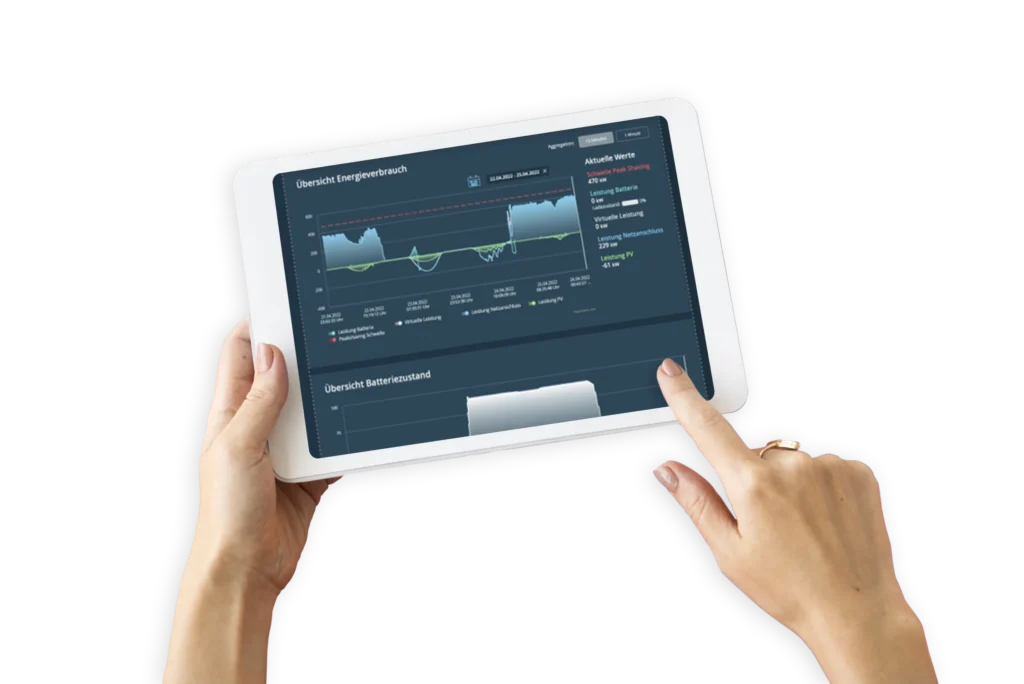
- Automated systems: Technologies such as the okean energy management system enable targeted control of loads during defined peak load times, which effectively ensures atypical grid usage.
Advantages and disadvantages of atypical grid usage
Advantages of atypical grid usage
- Cost savings: Companies can realize significant savings in grid fees by reducing their peak loads during peak load times.
- Flexibility: Companies can react more quickly to changes in the market and optimize their operating costs.
Disadvantages of atypical grid usage
- Risk of overloads: Unforeseeable consumption peaks can strain the grid.
- Complexity: The planning and management of atypical grid usage requires comprehensive knowledge and resources.
Summary of atypical grid usage
Atypical grid usage is a crucial aspect of modern energy supply, which brings both opportunities and challenges for companies. By using automated load management systems and identifying flexible consumers, companies can maximize the benefits of atypical grid usage while minimizing the risks. Proactive management and the application of modern technologies are necessary to realize the benefits of atypical grid usage.
Note: Please note that the Wiki entry on atypical grid usage is for information purposes only and does not replace legal advice. be.storaged GmbH assumes no guarantee for the completeness, accuracy and timeliness of the information in this entry.