
Optimizing self-consumption is a key consideration for companies that use renewable energy sources such as photovoltaics (PV) or wind power. The goal is to consume the electricity they generate as efficiently as possible, thereby reducing the amount of electricity purchased from the grid.
Table of contents
ToggleStore surplus energy instead of feeding it into the grid
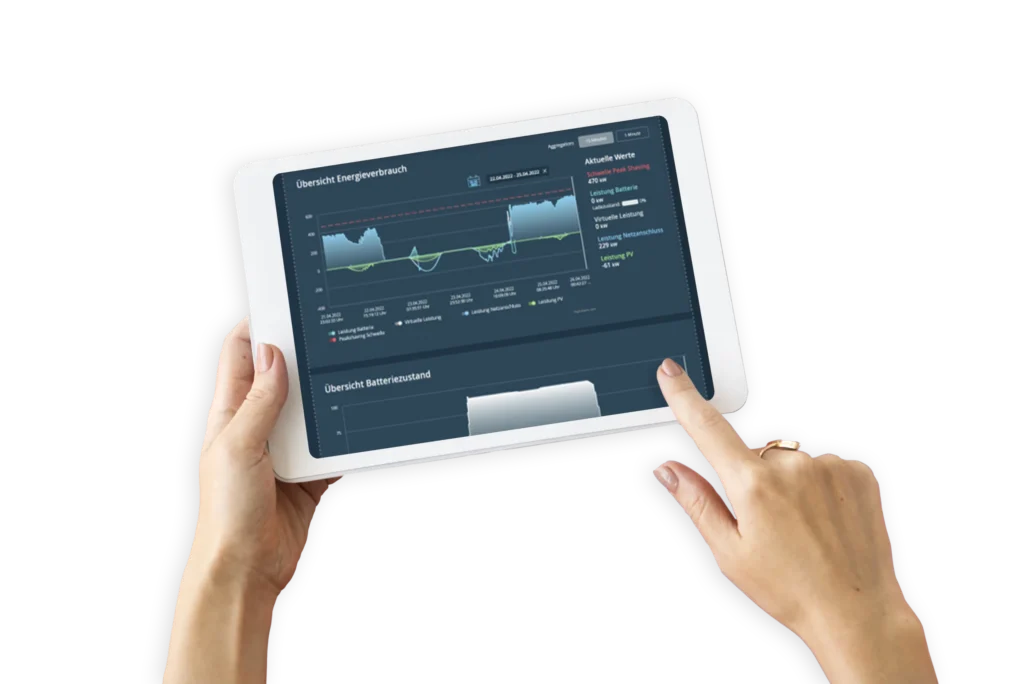
Optimizing self-consumption involves using as much of the electricity generated on-site from renewable energy sources as possible directly within the company. If a company’s own PV or wind power system generates more electricity than is currently needed, the surplus is either fed into the power grid or temporarily stored in a battery storage system. Through smart control and load management systems , electricity consumption can be reduced during peak load periods and shifted to times when the company’s own electricity generation is high.
Cost-effectiveness, grid relief, and independence
- Cost-effectiveness: Purchasing electricity from the grid is generally much more expensive than using electricity you generate yourself.
- Grid Relief: Optimizing self-consumption can help relieve the strain on the local power grid.
- Sustainability: Optimizing self-consumption promotes the use of renewable energy and reduces CO₂ emissions.
- Independence: An optimized system reduces dependence on electricity providers and fluctuations in electricity prices.
Battery Storage, Load Management, and Smart Control
Battery storage systems make it possible to store excess electricity and use it later. Load management systems help control electricity consumption in a targeted manner by shifting high-demand loads to times when a large amount of self-generated electricity is available. Smart control units automate electricity management within the company.
Capital Expenditures and Fluctuating Generation
- Initial Investments: The purchase of battery storage systems, load management systems, and smart control systems involves significant upfront costs, but these investments often pay for themselves after a few years.
- Adapting to Fluctuations in Generation: Renewable energy sources are subject to natural fluctuations, which makes it difficult to plan electricity consumption.
- Regulatory Requirements: There are regulations governing the feed-in and self-consumption of electricity.
Solar power generated at noon for the night shift
One example is the use of battery storage systems in combination with solar energy at manufacturing companies. In this scenario, excess solar power is stored during the sunny midday hours and used for production processes in the evening or at night. This not only reduces the amount of electricity drawn from the grid but also leads to a significant reduction in operating costs.
Conclusion: Economic and Environmental Benefits
Optimizing self-consumption is an effective way for companies to reduce their electricity costs while improving their sustainability. Through the strategic use of battery storage systems and smart control systems, companies can maximize self-consumption and become less dependent on rising electricity prices.
Frequently Asked Questions (FAQ)
What is self-consumption optimization?
Optimizing self-consumption refers to measures that allow companies to use as much of the PV or wind power they generate as possible directly for their own needs, rather than feeding it into the grid.
What role does a battery storage system play in this?
A battery storage system stores excess electricity and then makes it available when the household’s demand exceeds current generation.
By how much can the share of self-consumption be increased?
The exact figure depends on the system size, storage capacity, and consumption profile; with storage and smart controls, this percentage can be significantly increased.