
The Balancing Work Market (RAM) is a key component of the German energy market that was introduced in November 2020. Unlike the traditional Balancing Power Market (RLM), the RAM enables trading in balancing work and thus influences the actual utilization of the reserved capacity.
Table of contents
ToggleDirect job offers independent of the labor market
The RAM enables suppliers to submit bids directly, regardless of whether they have previously been successful on the capacity market. Auctions and award decisions are conducted using the “pay-as-bid” procedure. Secondary reserve (SRL)/aFRR and minute reserve (MRL)/mFRR can be traded. By enabling a rapid response to market needs, the RAM opens up attractive market opportunities for flexibility providers, such as storage facility operators.
Prequalified suppliers, managed by the TSOs
All providers of balancing energy who have successfully completed the prequalification process are eligible to participate. The German transmission system operators (TSOs) are responsible for organizing and conducting the RAM; they manage the tenders and awards through their online platform.
Introduced in 2020 in accordance with the Electricity Balancing Guideline
The RAM is subject to its own rules and regulations, including auction times, price caps, and eligibility requirements. These regulations differ from those of the RLM and contribute to the efficient functioning of the market. They were introduced as part of the harmonization of European balancing energy markets in accordance with the requirements of the Electricity Balancing Guideline (GL EB).
New Market Opportunities for Energy Storage and Renewable Energy
The introduction of the RAM offers attractive market opportunities to flexible providers of balancing energy and particularly benefits operators of storage capacity and renewable energy sources. The ability to make short-term changes to the balancing energy products offered allows providers to market bids that were not awarded elsewhere.
RLM as a fallback mechanism with substitute electricity prices
In the event of a RAM failure, the RLM serves as a backup. Suppliers are required to maintain their bid quantities in order to provide balancing power through the power market. Compensation is then provided through what are known as replacement power prices (EAP).
Conclusion: Efficient Use of Balancing Energy with Market Opportunities
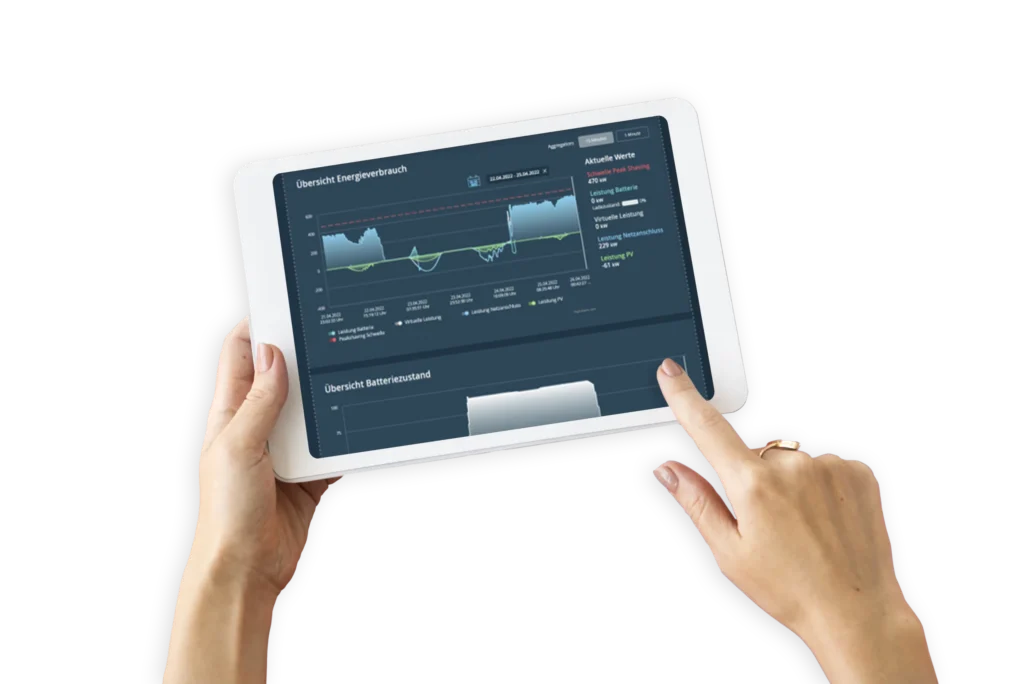
The RAM plays a crucial role in the efficient use of balancing energy in the German energy market and offers a wide range of market opportunities for flexible energy producers. For effective use, integration with smart energy management systems and battery storage solutionsthat maximize the benefits of the RAM.
Frequently Asked Questions (FAQ)
What is the Regular Labor Market (RAM)?
RAM is a trading platform for balancing power, where suppliers can submit power bids directly, independent of the power market.
How long has RAM been around?
The balancing energy market was introduced in November 2020 as part of the European harmonization of balancing energy markets.
Who can participate in the RAM?
All prequalified providers of balancing energy, particularly operators of storage facilities and renewable energy sources.