
Intensive grid use refers to the utilization of power grids beyond their normal capacity. This practice can have both positive and negative effects on grid stability, particularly during periods of high demand or irregular feed-in of renewable energy.
Table of contents
ToggleDynamic Load Management via Smart Grids
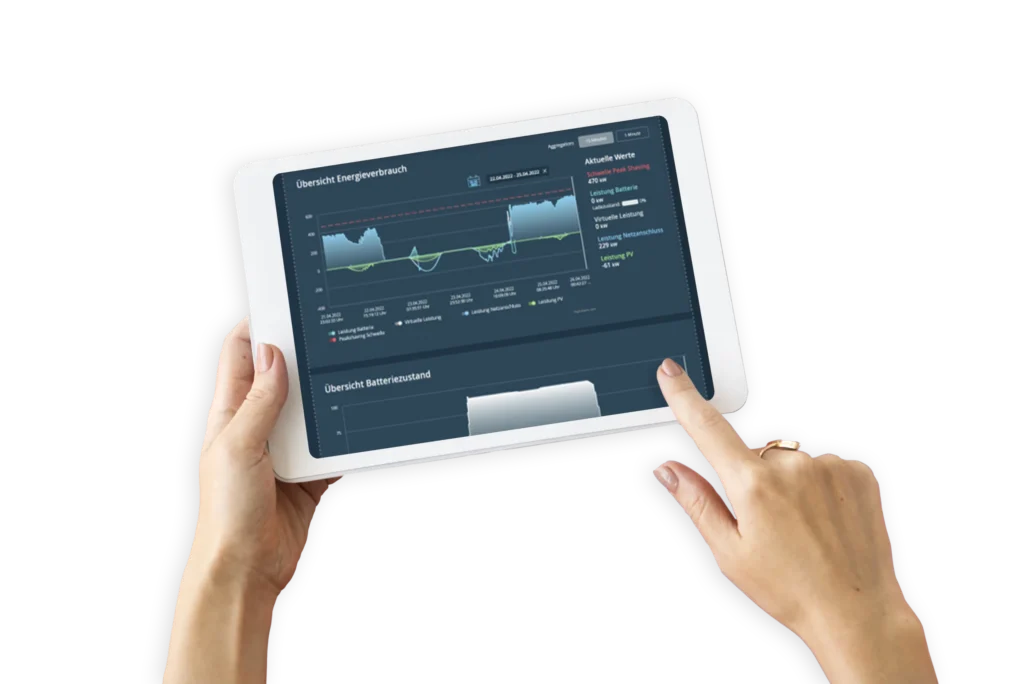
Intensive grid usage requires dynamic load management. Especially during periods of high demand or in the event of sudden changes in feed-in, grid operators must be able to respond quickly to changes. To this end, technologies such as smart grids and load management systems are used.
High demand, renewable energy generation, and new technologies
The causes of intensive grid usage are varied:
- High demand: Industries with high energy requirements can heavily strain grid capacities.
- Renewable energies: The irregular feed-in of renewable energies requires flexible grid usage.
- Technological developments: The use of new technologies can significantly increase energy demand.
- Electricity-intensive grid usage: Companies that reach at least 7,000 usage hours within a calendar year and have an annual electricity consumption of over 10 GWh can benefit from an individual grid fee. This can lead to a reduction in grid costs of up to 90 percent.
Grid Stability, Grid Expansion, and Financial Implications
- Grid stability: Overloads can lead to instability and power outages.
- Grid expansion: Inefficient grid usage can entail high investments in grid expansion.
- Financial implications: Companies may face higher costs if they heavily load the grid during peak times.
Load Management, Storage, and Demand Response Programs
- Load management systems: Implementation of technologies that optimize energy consumption. These can particularly contribute to meeting the requirements of intensive grid usage and benefiting from reduced grid fees.
- Energy storage solutions: Use of battery storage to balance supply and demand.
- Demand Response programs: Incentives for companies to reduce their energy consumption during peak times.
Staying Aware of National and European Regulations
The regulation of grid usage is subject to various national and European regulations. Companies should inform themselves about the applicable provisions in order to design their grid usage efficiently and in compliance with the law.
Grid Fee Reduction to Mitigate the Risk of Overload
Advantages: Increased efficiency through reduced grid fees, a more stable supply due to consistent electricity consumption, and better integration of renewable energy.
Disadvantages: Risk of overloads during peak times; high costs for maintaining and expanding network infrastructure.
Blockchain and IoT as New Control Approaches
Increasing digitalization and technological advancements in the energy sector will further enhance the role of intensive grid usage. Innovative solutions such as blockchain technologies and IoT applications offer new approaches to optimizing grid usage and improving grid stability.
Conclusion: Both an opportunity and a challenge
Intensive network usage is a complex issue that presents both challenges and opportunities for businesses. Proactive management and the use of modern technologies are crucial. In addition, atypical network usage be taken into account, as it presents specific requirements and opportunities for businesses.
Frequently Asked Questions (FAQ)
What is intensive network usage?
Intensive grid use refers to the use of power grids beyond their normal capacity, typically by companies with high and constant electricity consumption.
What are the requirements for an individualized grid fee?
Companies with at least 7,000 hours of use per year and annual electricity consumption exceeding 10 GWh are eligible for a customized, reduced grid fee.
What is the difference between intensive and atypical network usage?
Intensive grid usage is based on high, constant consumption over many hours of use; atypical grid usage, on the other hand, is characterized by a load profile outside of peak-load time windows that differs from that of the grid operator.